Liquor Store License in Florida

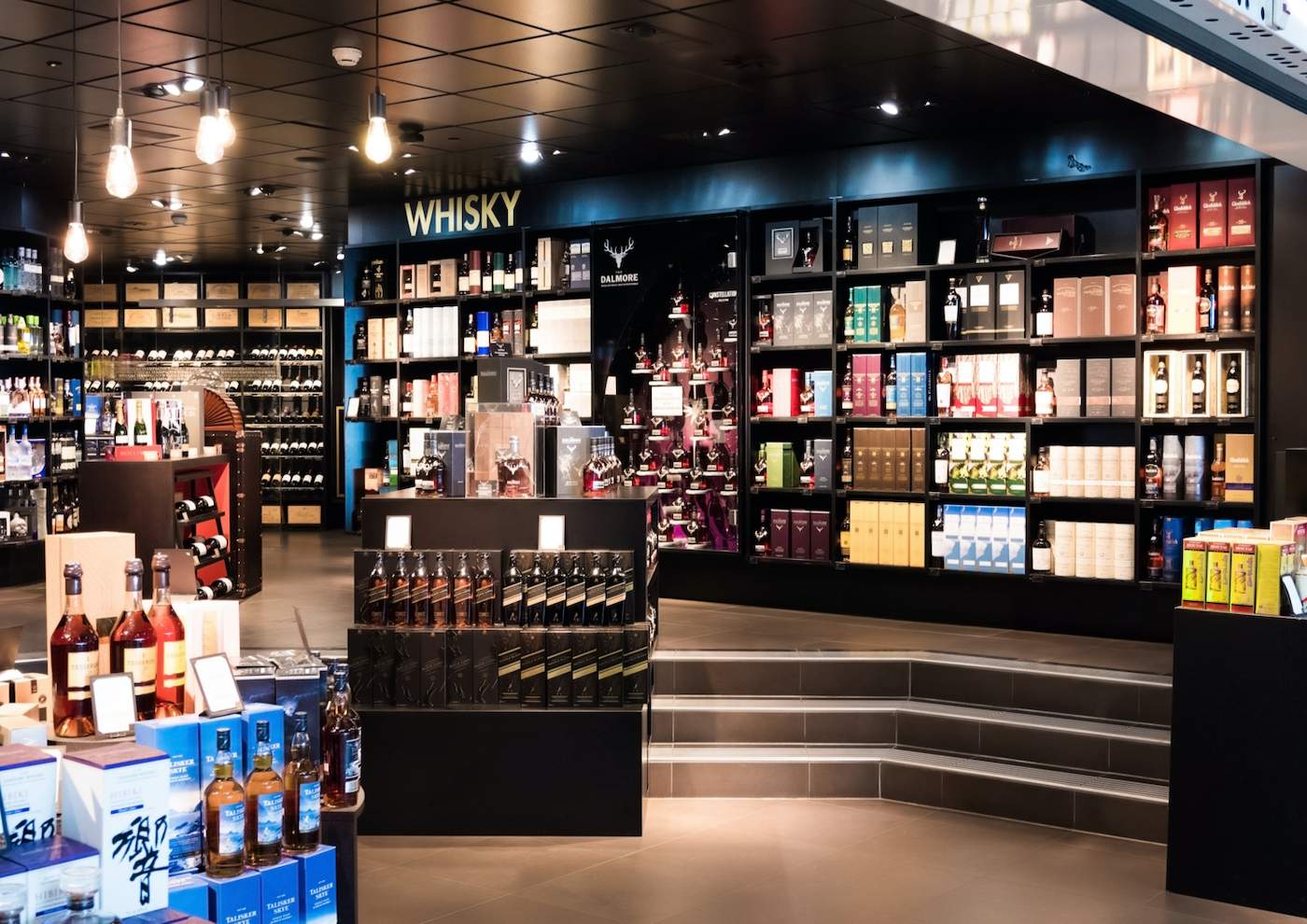
Selling beer, wine, and spirits at a Florida liquor store requires licensing that reflects both the products being sold and how they are sold. For a traditional package store, where customers purchase sealed alcoholic beverages to take with them, the licensing needs are different from those of a restaurant, bar, or nightclub.

Beverage License Specialists assists new and existing liquor store owners with navigating these requirements, including acquiring and transferring quota licenses when needed.
Liquor Store

Package Liquor Sales & Florida’s 3PS Licenses

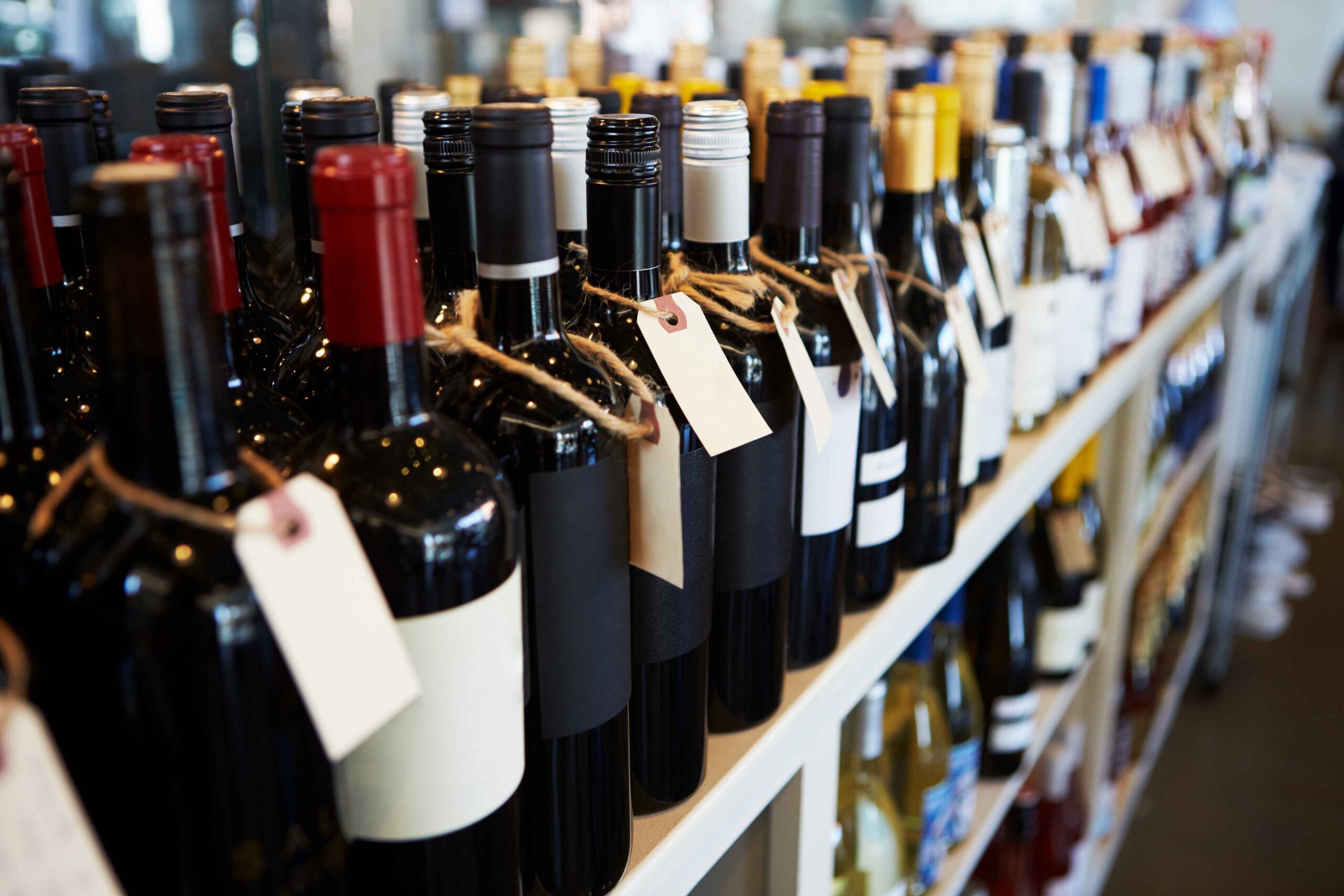
Traditional liquor stores primarily sell alcoholic beverages in sealed containers for off-premise consumption. Florida has specific license classifications for businesses operating under this model.

Stores selling beer, wine, and distilled spirits generally need the applicable license within Florida’s 3PS series of quota licenses. The exact classification varies based on the population of the county where the business is located.

If a retailer plans to sell only beer and/or wine, other license classifications may apply without the need for a full quota package license.

Why Quota License Availability Matters When Opening a Liquor Store

Unlike many other alcoholic beverage licenses, full package liquor licenses are limited in number under Florida’s quota system. The number available within a county is tied to population, which means a new liquor store cannot necessarily apply for a new full liquor license whenever one is needed.

Instead, opening a store may involve purchasing an existing quota license from another license holder and transferring it to the new business.

Florida also conducts an annual quota liquor license drawing when new licenses become available. Because supply and demand differ between counties, both availability and the market value of an existing license can vary considerably by location.

Are You Buying an Existing Liquor Store?

Purchasing an operating liquor store introduces another important question: what happens to the existing liquor license?

A liquor license does not simply change ownership because the underlying business has been sold. The transaction may require a separate license transfer and associated approvals before the buyer can operate under the license.

For buyers evaluating an existing store, understanding the status of its liquor license and how it will be transferred should be part of the acquisition process.

how much is a liquor license in florida

Planning a Store With Tastings or On-Site Consumption?

Not every modern liquor store follows a traditional package-only model. Some retailers incorporate tastings or other forms of on-premise alcohol consumption into the customer experience.

Those plans can affect the licensing privileges the business requires. A license intended strictly for package sales should not be assumed to provide the same privileges as a license allowing alcohol to be sold for consumption at the establishment.

If your concept goes beyond traditional retail package sales, Beverage License Specialists can review the planned operation and help identify the license classification that aligns with it.

Securing the License for Your Florida Liquor Store

The liquor license can be an important consideration well before a new store opens its doors. Location, the beverages you plan to sell, the availability of quota licenses, and whether you are opening or acquiring a store can all affect the path forward.

Beverage License Specialists assists Florida liquor store owners and buyers with quota license acquisitions, transfers, applications, and licensing documentation.

Contact Beverage License Specialists to discuss licensing for your liquor store.

If you are seeking to buy, sell or finance a Florida liquor license, contact Beverage License Specialists today

CONTACT US